
How to Read Busbar Processing Machine Parameters|Equipment Selection Guide for Complete Distribution Cabinets
Basic Specifications: First Confirm the Busbar Processing Machine Model and Applicable Materials
When selecting a busbar processing machine, first check the equipment’s basic parameters, with particular attention to whether the processing width, thickness, and processing capacity meet your production requirements, so as to quickly determine whether the equipment model matches the actual processing application.
1. Machine type classification: three-in-one busbar processing machines, CNC busbar processing centers, and portable busbar processing machines. Hydraulic three-in-one busbar processing machines are more suitable for small and medium-sized switchgear assembly workshops and offer high cost-effectiveness; CNC servo busbar processing machines are suitable for high-volume production and provide better finished-product consistency.
2. Applicable processing materials: copper busbars, aluminum busbars. Copper has higher tensile strength, so the processing capacity indicated in the busbar processing machine parameter table must be based on copper conditions, while the upper processing limit for aluminum bars is usually higher.
3. Drive method: hydraulic drive / servo CNC drive. Standard hydraulic busbar processing machines are simple to operate and have low initial investment costs; servo busbar processing machines offer stable positioning, high efficiency, and smaller errors in batch processing.
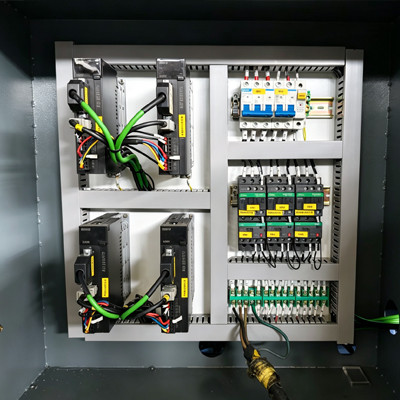
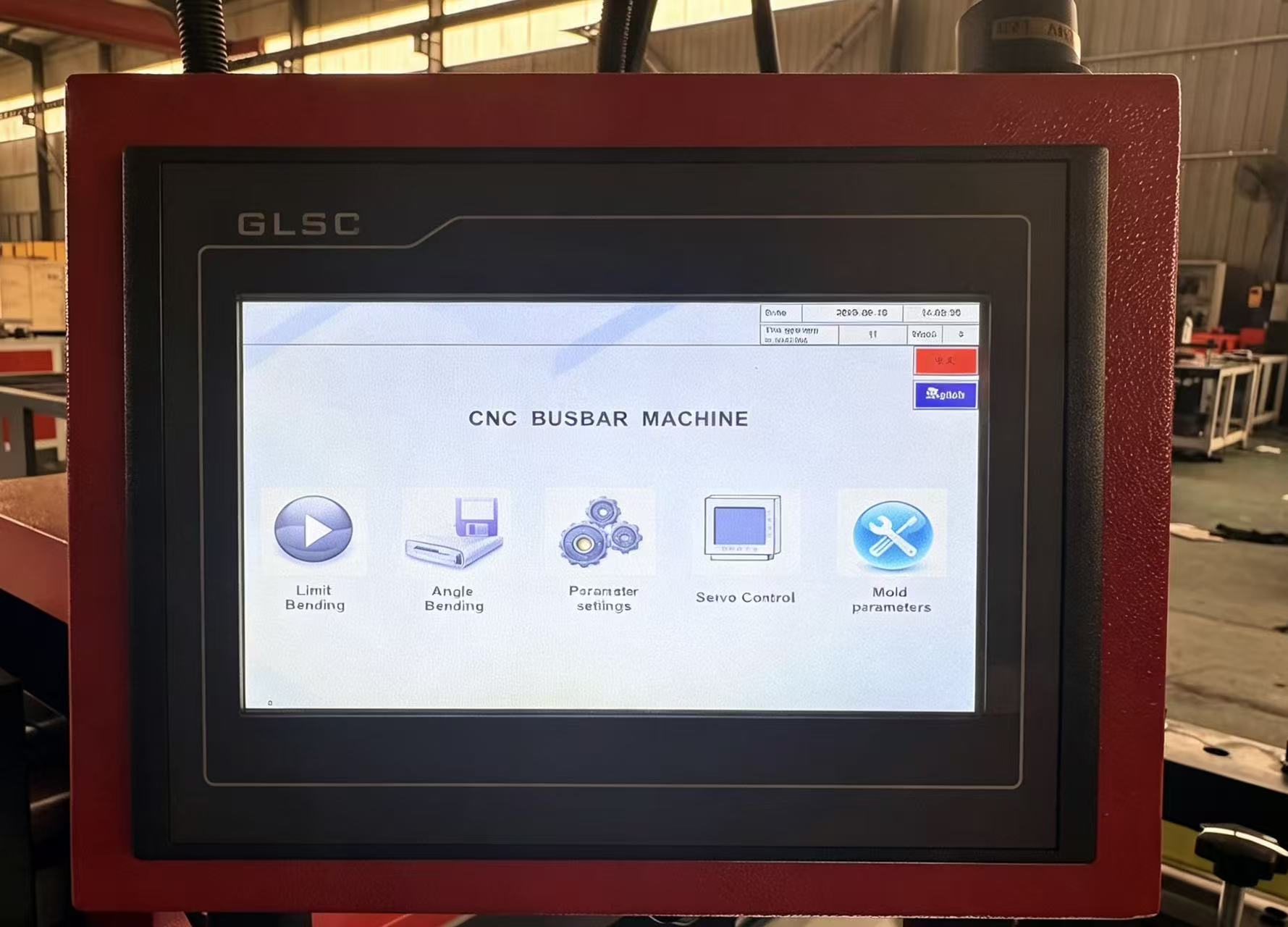
4. Control system: standard PLC, CNC system. Some high-end busbar processing machines are equipped with Siemens PLC, supporting program storage, automatic positioning, and bending angle compensation, greatly reducing the amount of manual marking required for copper bar processing and thereby improving production efficiency.
Key Parameters of the Three Main Stations: Common Pitfalls When Buying a Busbar Processing Machine
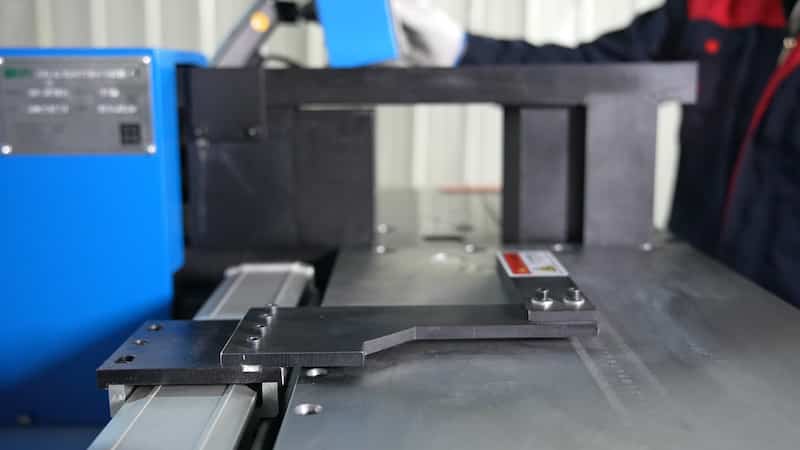
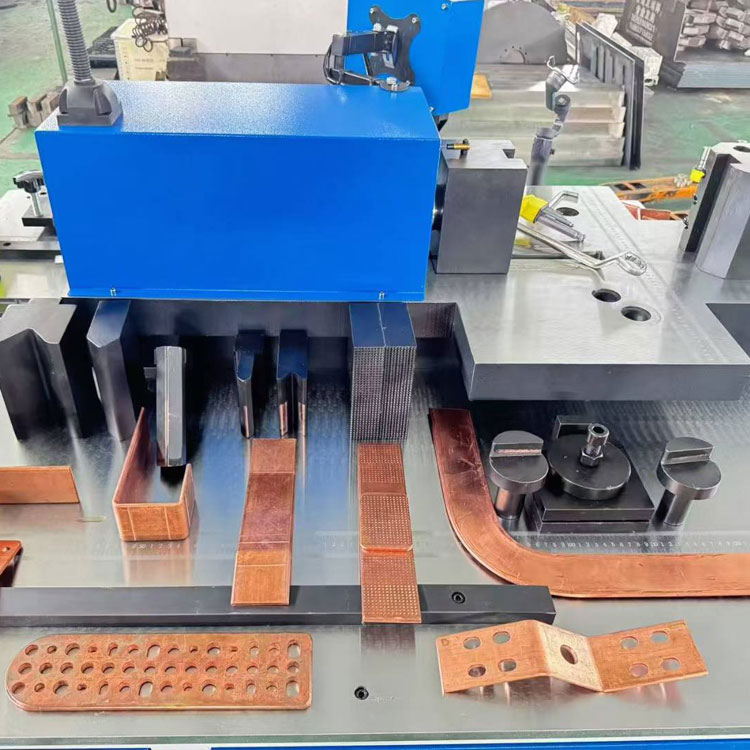
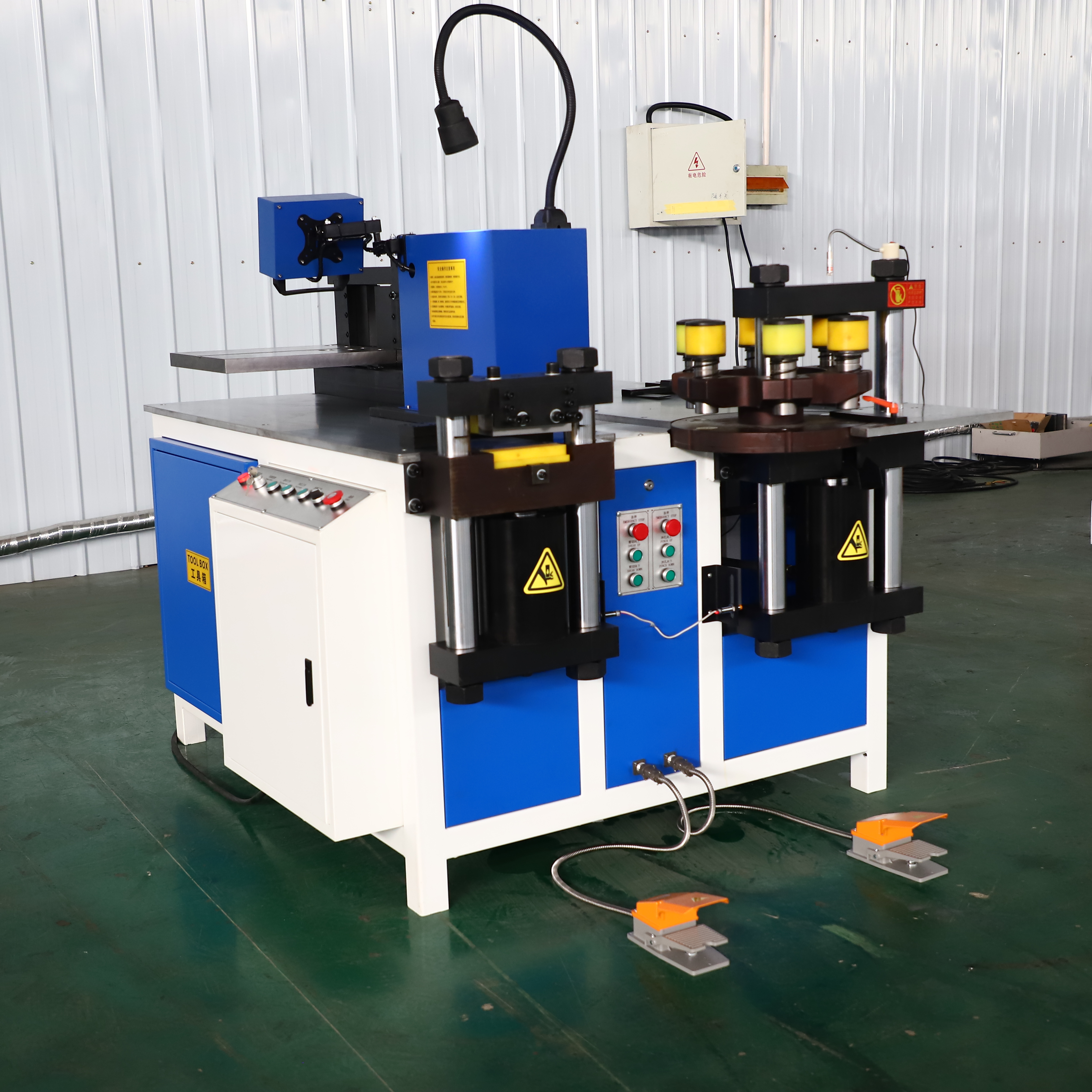
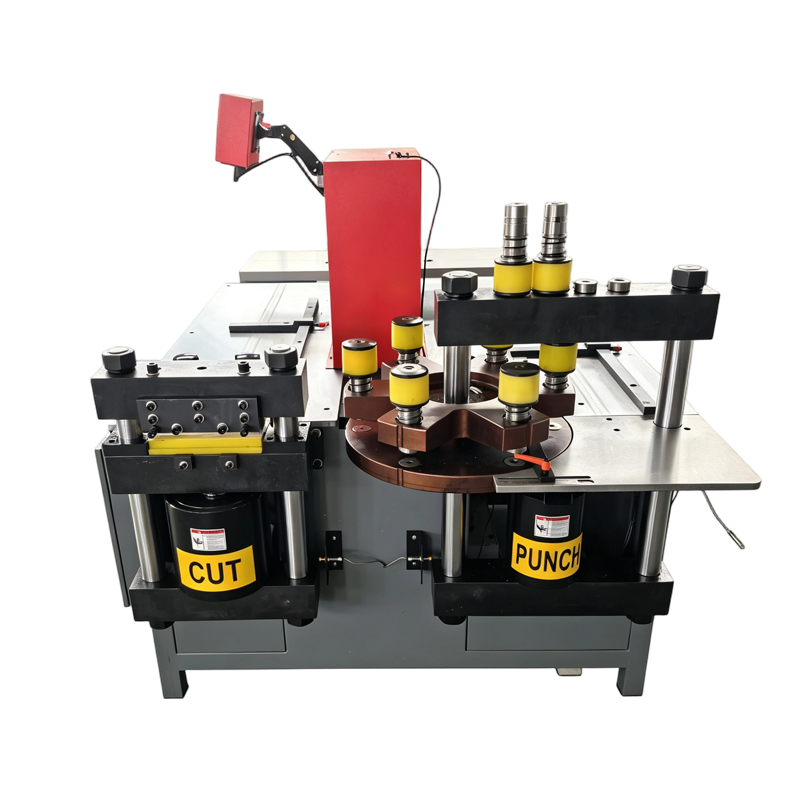
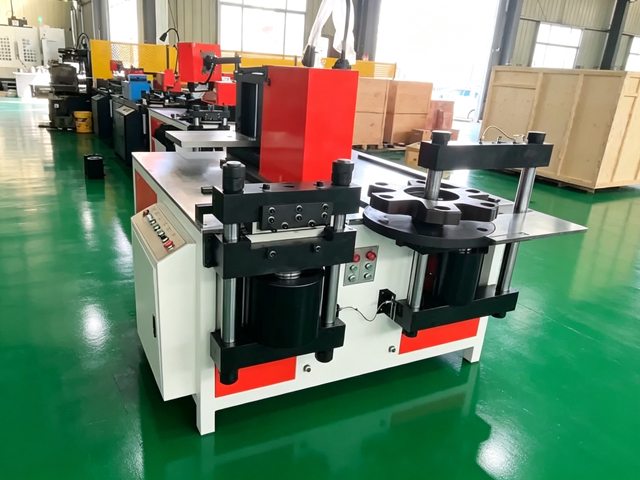
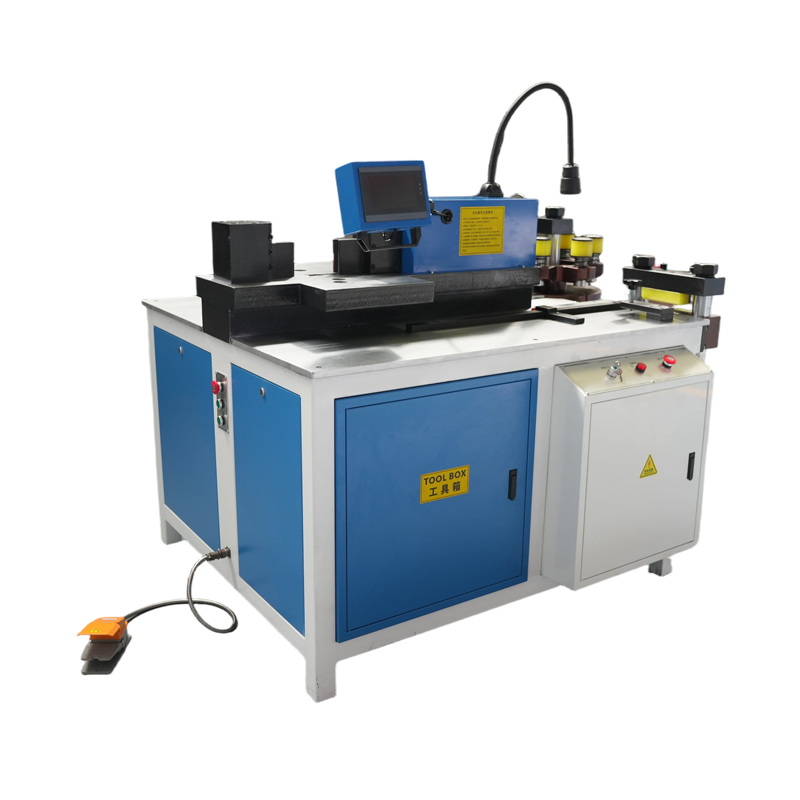
A busbar processing machine typically has three independent stations: shearing, punching, and bending. The processing capacity of each station must be checked separately rather than treated as the same.
Many manufacturers list the maximum processing size on their product pages, but this figure may represent the maximum capacity of only one station. The bending station, in particular, may not be able to process busbars of the same size. This is one of the most common mistakes buyers make when purchasing a busbar processing machine.
Reference example:Standard parameters for three-in-one busbar processing machine
| Parameter items | MK-303KSSB | MK-503BSSB | MK-803BSSB |
| Maximum punching force | 400KN | 500KN | 800KN |
| Punching hole diameter range | φ4.3-φ34 | φ4.3-φ34 | φ4.3-φ34 |
| Maximum punching width/thickness | 160mm/16mm | 260mm/16mm | 300mm/20mm |
| Number of punching stations | 6 | 6 | 6 |
| Maximum bending force | 400KN | 500KN | 800KN |
| Maximum bending width/thickness | 100mm/10mm | 100mm/10mm | 100mm/10mm |
| Bending accuracy error | ±0.2° | ±0.2° | ± 0.2° |
| Maximum shear force | 400KN | 500KN | 800KN |
| Maximum shearing width/thickness | 160mm/16mm | 260mm/16mm | 300mm/20mm |
| PLC system | Siemens | Siemens | Siemens |
| Motor power | 3*4kw | 3*5.5kw | 3*7.5kw |
| Equipment standard voltage | 380V 50Hz | 380V 50Hz | 380V 50Hz |
| Overall dimensions | 1780mm×1400mm×1400mm | 1920mm×1560mm×1450mm | 2060mm×1620mm×1680mm |
| Machine weight | 1.5T | 1.9T | 2.3T |
| Operating language | Chinese/English | Chinese/English | Chinese/English |
Shearing Station (Copper Busbar Cutting)
• Maximum Processing Capacity: Specified as width × thickness, for example, a copper busbar measuring 200 mm × 12 mm.
• Shearing Force: Measured in kN. Higher shearing force provides greater capacity for cutting thick copper busbars. Combined with suitable blade clearance and sharp cutting edges, it helps achieve more stable cutting performance, reduce burrs, and minimize the need for subsequent grinding.
• Cutting Accuracy and Squareness: Copper busbar cutting quality is important in distribution cabinet manufacturing, where flat, square cut edges are often required. A high-quality busbar processing machine helps minimize cutting deformation and improve finished product quality.
Punching Station (Copper Busbar Hole Punching)
• Busbar Processing Dimensions: Specified as width × thickness.
• Maximum Punching Diameter: Common specifications include Φ25 mm and Φ32 mm. The maximum punch diameter available for a given busbar thickness depends on the machine's punching force, die configuration, and material properties. Always check the technical specifications and notes before purchasing a busbar processing machine.
• Punching Force: Determines the machine's capacity to punch thick copper busbars. Adequate punching force, together with suitable dies and clearances, helps prevent excessive surface damage and workpiece deformation.
• Positioning Accuracy: CNC busbar processing machines may specify punching positioning tolerances. This parameter is critical for maintaining consistent hole positions during batch production and ensuring accurate assembly of distribution cabinets.
Bending Station (Flat Bending and Edgewise Bending)
Bending is one of the areas where busbar processing machine specifications require particularly careful verification. Flat bending and edgewise bending are two distinct operations, and their maximum processing capacities may differ.
• Flat Bending: The copper busbar is laid flat during bending, allowing the machine to process wider busbars, depending on the machine design.
• Edgewise Bending: The copper busbar is positioned vertically during bending. The maximum processable busbar width may be significantly lower than that for flat bending, depending on the machine's structure and bending force.
• Bending Force and Bending Angle Range: A common bending angle range is 0° to 135°, although the actual range varies by machine model.
• Bending Accuracy: Conventional hydraulic busbar processing machines may have a bending angle deviation of approximately ±0.5°, while CNC servo busbar processing machines may achieve an angle deviation of ≤0.3°, depending on the machine configuration and test conditions. Higher bending accuracy helps reduce assembly gaps and improve copper busbar fitting during switchgear assembly.
Accuracy Parameters: Differences Between Hydraulic and CNC Busbar Processing Machines
Machining accuracy directly determines whether finished copper busbars meet the assembly tolerances of low-voltage and high-voltage switchgear. It is therefore a key specification that B2B buyers should carefully evaluate when purchasing a busbar processing machine.
1. Positioning Accuracy: The deviation between the target position and the actual position during a single positioning operation.
2. Repeat Positioning Accuracy: The consistency of workpiece dimensions when the same program is executed repeatedly. This parameter is particularly important for high-volume production, where consistent dimensions help reduce assembly errors and rework.
Conventional hydraulic busbar processing machines may have positioning accuracy of approximately ±0.1 mm, while CNC servo busbar processing centers may achieve positioning accuracy of ±0.03 to ±0.05 mm, making them suitable for copper busbar production for high-end switchgear and gas-insulated switchgear (GIS).
Power and Electrical Parameters
• Total Motor Power: Measured in kW, this parameter helps assess energy consumption and the electrical load required by the workshop. Before purchasing a busbar processing machine, confirm that the factory's power supply can meet the machine's requirements.
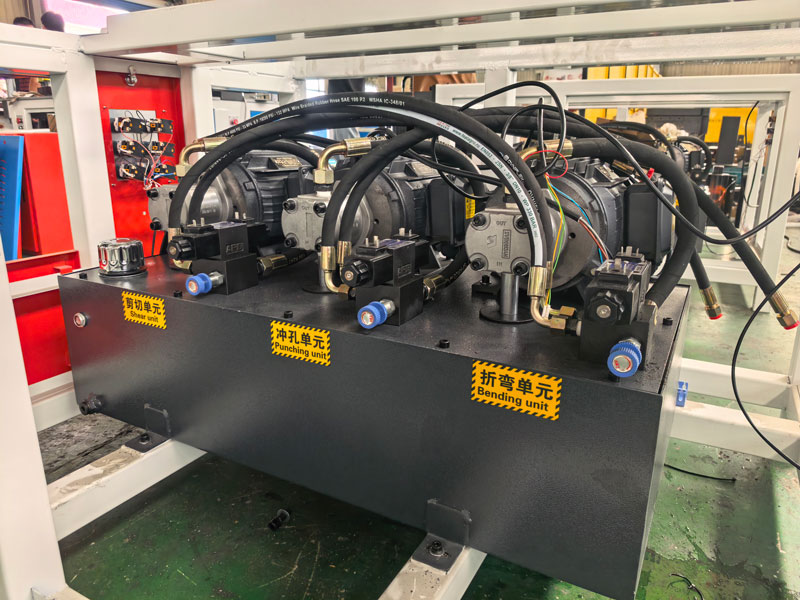
• Hydraulic System Pressure: Hydraulic busbar processing machines commonly operate at around 700 bar. Stable hydraulic pressure helps ensure consistent performance when processing copper busbars over long production runs.
• Operating Voltage: The standard domestic configuration in China is typically 380 V three-phase industrial power. For overseas markets, busbar processing machines can be customized for 415 V operation to meet local power supply requirements in markets such as Southeast Asia and the Middle East.
• Hydraulic Cylinder Configuration: Three independently operated hydraulic cylinders allow the three stations of the busbar processing machine to operate separately, helping reduce interference between operations and improve copper busbar processing efficiency.
Machine Dimensions and Weight Parameters: Often Overlooked When Buying a Busbar Processing Machine
• Overall Machine Weight: A thicker steel frame and heavier machine generally provide better structural rigidity. When processing thick copper busbars under heavy loads, a rigid machine frame is less prone to deformation, helping maintain stable machining accuracy over long-term use. Lightweight busbar processing machines may have a lower purchase cost, but when processing thick materials over long periods, insufficient rigidity may result in hole position deviations and bending angle variations. Fenghua CNC uses a one-piece welded frame made of thick steel plates, providing sufficient rigidity for heavy-duty processing, minimizing deformation, and helping maintain the machine's specified accuracy over long-term use.
• Overall Length, Width, and Height: These dimensions are important for workshop layout planning. Before purchasing a busbar processing machine, confirm the available workshop aisles, installation area, and lifting conditions.
• Worktable Dimensions and Feeding Stroke: These specifications determine whether the busbar processing machine can accommodate long copper busbars and meet your required workpiece dimensions.
Supporting Parameters: Dies, Production Capacity and Safety
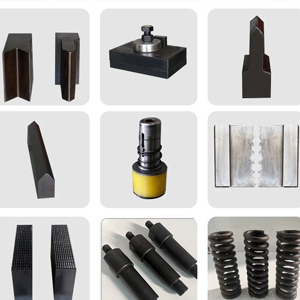
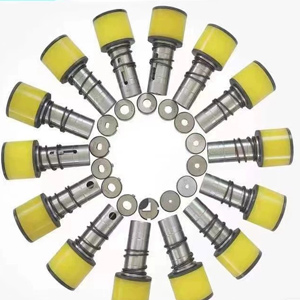
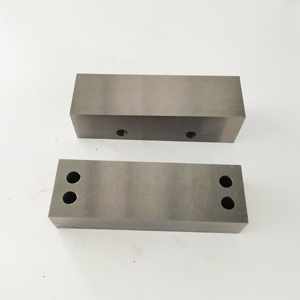
1. Standard Dies: Check the number and specifications of the standard punching and bending dies supplied with the machine, as well as whether custom dies are available for slots, special bending radii, and irregular shapes. Dies made of Cr12MoV tool steel offer good wear resistance, helping reduce die wear and extend the service life of busbar processing machine dies.
Fenghua CNC supports the customization of various busbar processing dies, including twisting dies, terminal crimping dies, no-mark bending dies, one-step forming dies, and rounding dies. Customers can send their busbar processing die drawings to our technical engineers by email or WhatsApp. We will manufacture the dies according to the actual processing requirements.
2. Production Capacity: Check the number of punching and cutting operations the machine can complete per hour. This helps calculate the production cycle time and determine whether the busbar processing machine can meet the required order volume and production capacity.
3. Safety Protection: Check whether the machine is equipped with overload protection, an emergency stop button, and hydraulic pressure relief protection. These safety features help prevent excessive loads from damaging the hydraulic cylinders, machine frame, and other critical components of the busbar processing machine.
FAQ
Q1: What Are the Parameter Differences Between a Three-Station Busbar Processing Machine and a CNC Busbar Processing Center?
A: A hydraulic three-station busbar processing machine has a lower initial investment cost and uses manual feeding, with moderate processing accuracy, making it suitable for small-batch copper busbar orders. A CNC servo busbar processing machine supports automatic feeding, offers higher repeat positioning accuracy, and can store multiple machining programs, making it suitable for large electrical panel and switchgear manufacturers with high-volume copper busbar production.
Q2: What Does KN Output Force Mean in a Busbar Processing Machine Parameter Sheet?
A: KN represents the output force of the hydraulic cylinder. A higher output force provides more capacity for processing thick copper busbars, allowing the busbar processing machine to work more easily under heavy loads while helping reduce die wear and support longer machine service life.
Q3: Does Higher Hydraulic Cylinder Output Force Mean Higher Machining Accuracy?
A: No. Hydraulic cylinder output force mainly indicates the processing capacity of a busbar processing machine. Machining accuracy is determined by factors such as the servo system, linear scale, and machine frame rigidity.
Q4: Does a 200 × 12 mm Specification Mean the Machine Can Punch, Bend, and Shear Busbars of This Size?
A: Not necessarily. A 200 × 12 mm specification usually indicates the machine's maximum processing range. The actual capacity of the punching, shearing, and bending stations must be verified separately based on the machine's specific parameters and die configuration.
Q5: What Additional Specifications Should Be Confirmed When Purchasing a Busbar Processing Machine for Export?
A: Confirm that the machine's rated voltage is compatible with the target market, check the applicable CE certification requirements, verify the machining tolerance specifications, request an English operation and parameter manual, and ensure that the supplied dies match the copper busbar sizes commonly used in the target market.

Related Articles
No content available.