
Busbar processing machine die types and usage guide|Three-in-one busbar processing machine
Busbar processing is a core process in the manufacturing of distribution cabinets and various types of power distribution equipment. Its processing accuracy, production efficiency, and finished product quality largely depend on the dies equipped with the busbar processing equipment, as well as standardized operation. Whether using a single-station busbar processing machine or a high-efficiency three-in-one busbar processing machine, understanding the types, selection criteria, and proper use of busbar processing dies can help reduce the scrap rate, extend the service life of the equipment and dies, and further ensure the safety and stability of the busbar processing process.
Main categories of busbar processing machine dies
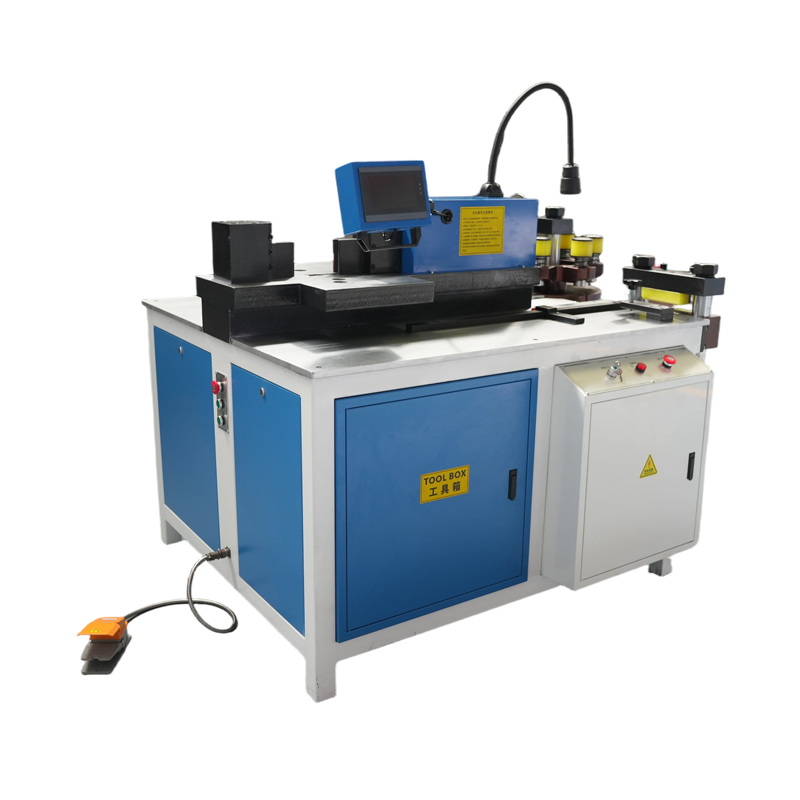
Standard busbar processing mainly includes four core processes: cutting, punching, bending, and embossing. Therefore, busbar machine dies can generally be divided into four main types: cutting dies, punching dies, bending dies, and embossing dies. Among them, the three-in-one busbar processing machine integrates three core processing functions—cutting, punching, and bending—into one machine, enabling multiple functions in a single machine and meeting various copper and aluminum busbar processing needs. It is widely used in small and medium-sized electrical processing workshops and engineering construction sites.
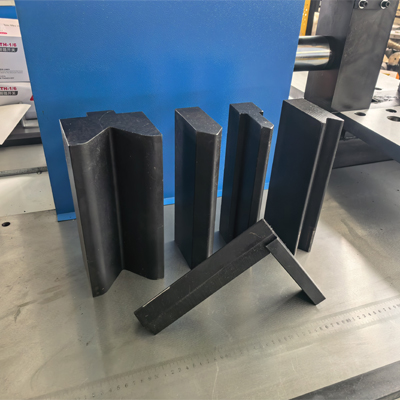
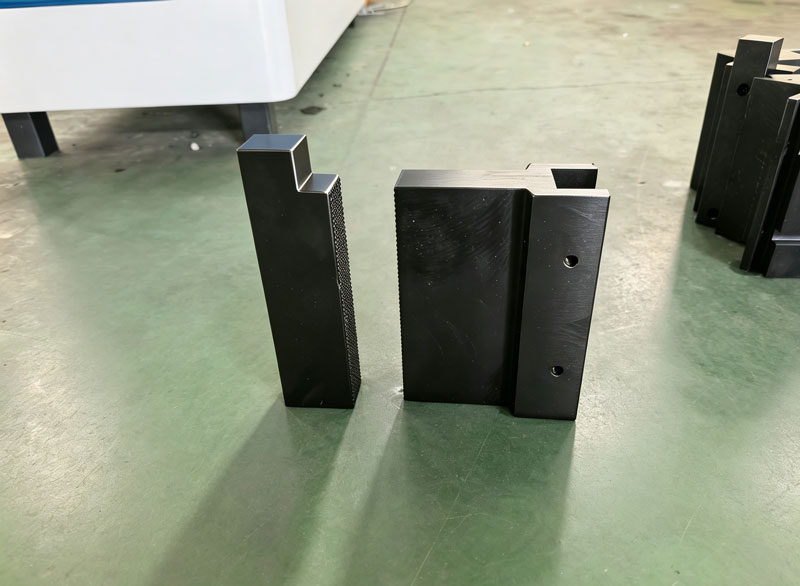
Main categories of busbar processing machine dies
1.Cutting die
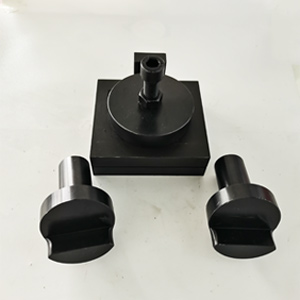
Cutting dies are mainly used for straight cutting of copper and aluminum busbars and are one of the commonly used basic dies in busbar processing equipment. Fenghua CNC busbar processing equipment is equipped with high-strength alloy steel one-piece cutting dies and a thickened ductile iron middle beam, providing a solid and stable structure. The equipment adopts a shearing-type cutting structure and a double-sided blade design. The cutting edges are flat and sharp, ensuring a stable cutting process. The cut busbar has a smooth and flat cross-section, with no burrs and no material waste, which helps reduce material loss and eliminates the need for secondary grinding. This meets the requirements for efficient and stable cutting of copper and aluminum busbars.
Applications: Suitable for fixed-length cutting of copper and aluminum busbars in standard sizes, and ideal for routine batch cutting operations.
Key Features: Wear-resistant and pressure-resistant, with strong cutting force, suitable for common busbar thicknesses of 1 mm–12 mm. Easy to disassemble, replace, and install, and perfectly compatible with the cutting station of the three-in-one busbar processing machine.
2.Punching die
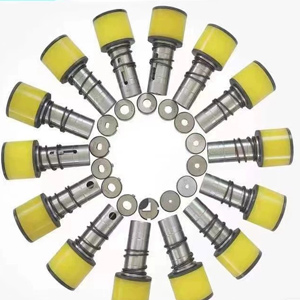
Punching dies are one of the most frequently used and versatile types of dies in busbar processing. They are mainly used for processing mounting holes, connection holes, and other hole types in copper and aluminum busbars. Fenghua CNC three-in-one busbar processing machines are equipped with a complete set of punching dies, covering a variety of commonly used hole sizes and shapes in electrical engineering. The machines adopt a forged ductile iron integrated six-position rotary die structure, allowing different dies to be quickly switched by rotating the die turret. They can process round holes, oval holes, and irregular-shaped holes without frequent die removal and replacement, effectively improving busbar punching efficiency and meeting the punching needs of most busbars used in distribution cabinets.
High-precision punching dies ensure smooth, burr-free, and crack-free hole walls, reducing assembly problems caused by poor punching quality and lowering potential electrical safety risks.
Round Hole Punching Dies: Standard sizes include Φ7, Φ9, Φ11, Φ13, Φ17, and Φ21, compatible with M6–M20 standard bolts, for busbar fixing and connection holes.
• Oblong Hole Punching Dies: Common sizes include 13×18 and 17×21, for applications requiring adjustable installation positions and flexible connections.
• Special-Shaped Punching Dies: Square holes, chamfered holes, and other shapes, customized for special busbar connection processes.
In principle, the punching capacity of the same die size varies across different machine models. For example, the punching capacity of a Φ13 die differs between different machine models. Even so, we still recommend that the thickness of the busbar being punched should not exceed the rated specification of the punching die. For example, the maximum punching thickness of a Φ7 die is 6 mm.
Based on the punching die specifications of different machine models, our technical engineers have provided the punching capacity range for each die. As shown in the table below:
| Modle | MAC-303CN | MAC-503CN | MAC-803CN |
| Φ7 | 2-6mm | 2-6mm | 2-6mm |
| Φ9 | 2-8mm | 2-8mm | 2-8mm |
| Φ11 | 6-10mm | 6-10mm | 6-10mm |
| Φ13 | 6-16mm | 6-16mm | 6-20mm |
| Φ17 | 8-16mm | 8-16mm | 8-20mm |
| Φ21 | 8-16mm | 8-16mm | 8-20mm |
| Φ13*18 | 8-16mm | 8-16mm | 8-20mm |
| Φ17*21 | 8-16mm | 8-16mm | 8-20mm |
3.Bending die
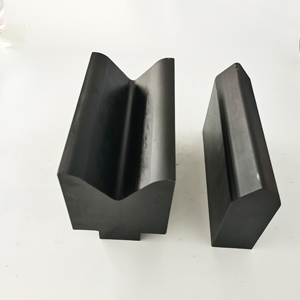
Bending dies are used for busbar angle forming and directly determine the bending accuracy and forming quality of the busbar. The bending station of the three-in-one busbar processing machine is equipped with bending dies in various specifications, supporting a wide range of standard bending processes and serving as the core process dies for three-dimensional busbar forming.
Flat and Edge Bending Dies: Standard R3 and R5 radius dies, supporting bending at any angle from 0–90°, suitable for standard right-angle forming of busbars.
• U-Bending Dies: Specially designed for 180° U-shaped bending, mainly used for busbar lap joints and bridge connections.
• Twist Bending Dies: Quick-change twist bending structure with adjustable twisting distance, used for busbar twist-angle forming in special installation positions.
4.Embossing shaping mold
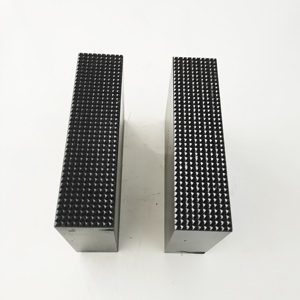
Embossing and straightening dies are auxiliary precision dies, mainly used for busbar surface leveling, embossing, and deformation-prevention forming. The three-in-one busbar processing machine comes standard with one set of embossing dies, which can effectively improve busbar surface flatness and enhance the tightness of fit during busbar assembly.
Fenghua CNC busbar processing equipment is supplied with the following standard dies: 4 sets of bending dies, 1 set of embossing dies, 8 sets of punching dies, and 1 set of cutting dies.
Die List:
1. Bending Dies: Small flat bending (R3), large flat bending (R5), horizontal bending die (R80 or R50), U-shaped bending
2. Punching Dies: Φ7, Φ9, Φ11, Φ13, Φ17, Φ21, Φ13×18, Φ17×21
3. Cutting Dies: 1 set
4. Embossing Dies: 1 set
Other Standard Accessories: 1 relay, 1 proximity switch, 1 punching pin, 1 laser light, 3 sets of foot switches, 1 sealing ring, 1 oil filling can, 1 lubrication can, and 1 hex key.
Note: The above are the standard dies and accessories for the three-in-one busbar processing machine. Before the equipment is shipped, the punching die models can be adjusted according to the actual processing requirements. In addition to the above standard dies, we can also provide twist bending dies, cable lug crimping dies, no-impression dies, one-step forming dies, and corner rounding dies. If you require customized dies, you can send the busbar processing die drawings to our technical engineers by email or WhatsApp, and we will manufacture the busbar dies according to your requirements.
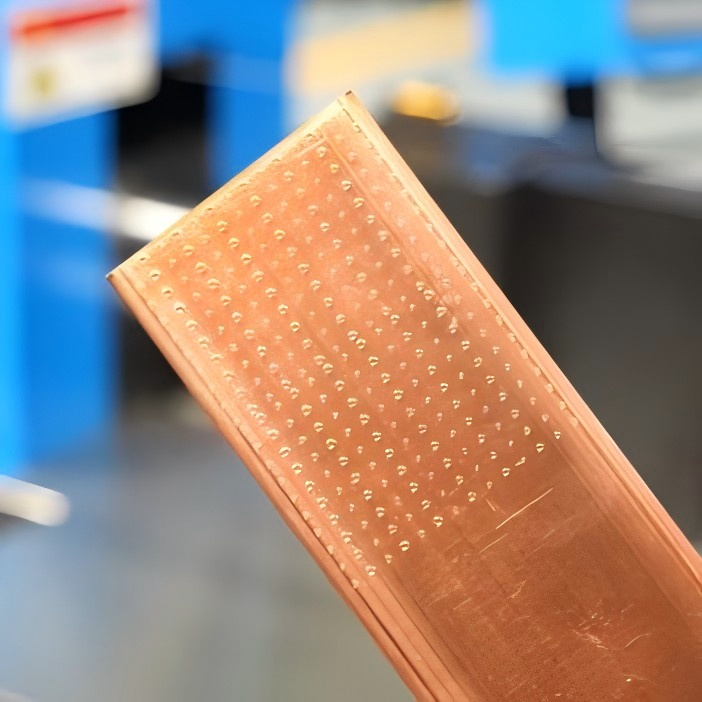
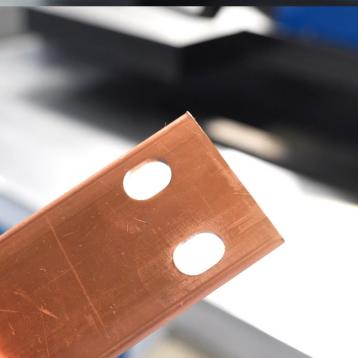
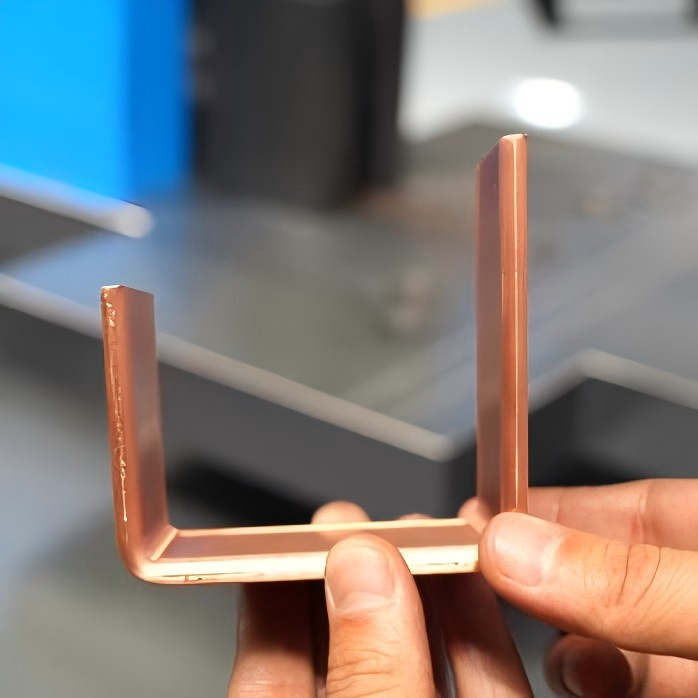

Busbar Processing Machine Die Standardized Usage Guide (Step-by-Step Operation)
Whether using a standalone busbar processing machine or a three-in-one busbar processing machine, proper die installation and operation are essential for ensuring processing quality and personal safety. The standardized operating procedure is as follows:
1.Pre-processing inspection and mold selection
Pre-Processing Inspection and Die Selection
First, confirm the processing requirements, including busbar thickness, width, processing method, and hole size, then select the appropriate die model and check the die surface for wear, cracks, burrs, and contaminants. When using a three-in-one busbar processing machine, identify the dies required for cutting, punching, and bending processes in advance to avoid frequent die changes and incorrect die installation.
2.Mold installation and alignment
Die Installation and Alignment
Clean the die holder and the equipment contact surfaces, install the upper and lower dies in place, and tighten the fixing bolts to ensure that the dies are centered and properly aligned without offset. After installation, perform a no-load test run to check whether the dies operate smoothly and maintain an even clearance, preventing misalignment from scratching the busbar.
3.Formal processing operation
Place the copper/aluminum busbar flat on the processing platform and adjust the positioning stop to ensure accurate processing positioning. Start the machine according to the operating specifications: first perform a test cut/test punch, and after confirming that the finished product dimensions and forming quality meet the requirements, proceed with formal batch processing. When operating the three-in-one busbar processing machine, switch between the processing stations according to the process sequence. It is strictly prohibited to change dies or adjust the positioning while the equipment is running.
4.Demolding and cleaning after processing
Die Removal and Cleaning After Processing
At the end of each working day, switch off the equipment power and wait until the equipment has completely stopped before removing the dies. Clean metal chips and oil residue from the die surfaces, check the dies for wear, and store the dies separately to prevent damage caused by impact or compression.
Daily Maintenance and Failure Prevention of Busbar Dies
Busbar dies are precision wear parts. Proper daily maintenance can effectively extend their service life and maintain stable processing accuracy, especially for the multifunctional dies equipped with the three-in-one busbar processing machine:
• Regular Lubrication: Apply lubricating oil to the moving parts of the dies and the contact surfaces of the die holder every 3–5 working days to reduce friction and wear.
• Timely Polishing: Polish the cutting edges promptly when burrs or scratches appear to prevent scratching the busbar surface and affecting processing quality.
• Separate Storage: Store dies of different types and specifications separately, clearly label their specifications, and avoid mixing them together or causing damage from impact.
• Regular Inspection and Replacement: Regularly check the degree of die wear. Replace the dies promptly when they become deformed, severely worn, or cracked to prevent batch products from failing to meet quality requirements.
FAQ
Q1: Can standard busbar machine dies be used on a three-in-one busbar processing machine?
A:Most non-standard dies for conventional busbar machines have non-universal die holder dimensions and mounting structures, so they cannot be interchanged. It is recommended to use dedicated dies designed for the three-in-one busbar processing machine to ensure installation accuracy and processing stability.
Q2: What are the main causes of burrs during busbar punching and cutting?
A:The main causes include die wear, misalignment of the clearance between the upper and lower dies, and metal chips remaining on the die surfaces. The problem can be resolved by cleaning and calibrating the dies promptly and replacing worn die components.
Q3: How can busbar springback after bending be prevented?
A:Select the appropriate radius bending die according to the busbar thickness, properly adjust the bending pressure of the three-in-one busbar processing machine, and apply pressure holding after bending to effectively reduce springback deformation.

Related Articles
No content available.