
CNC Busbar Processing Machine: Working Principle, Functions, Advantages, and Selection Guide
What Is a CNC Busbar Processing Machine?
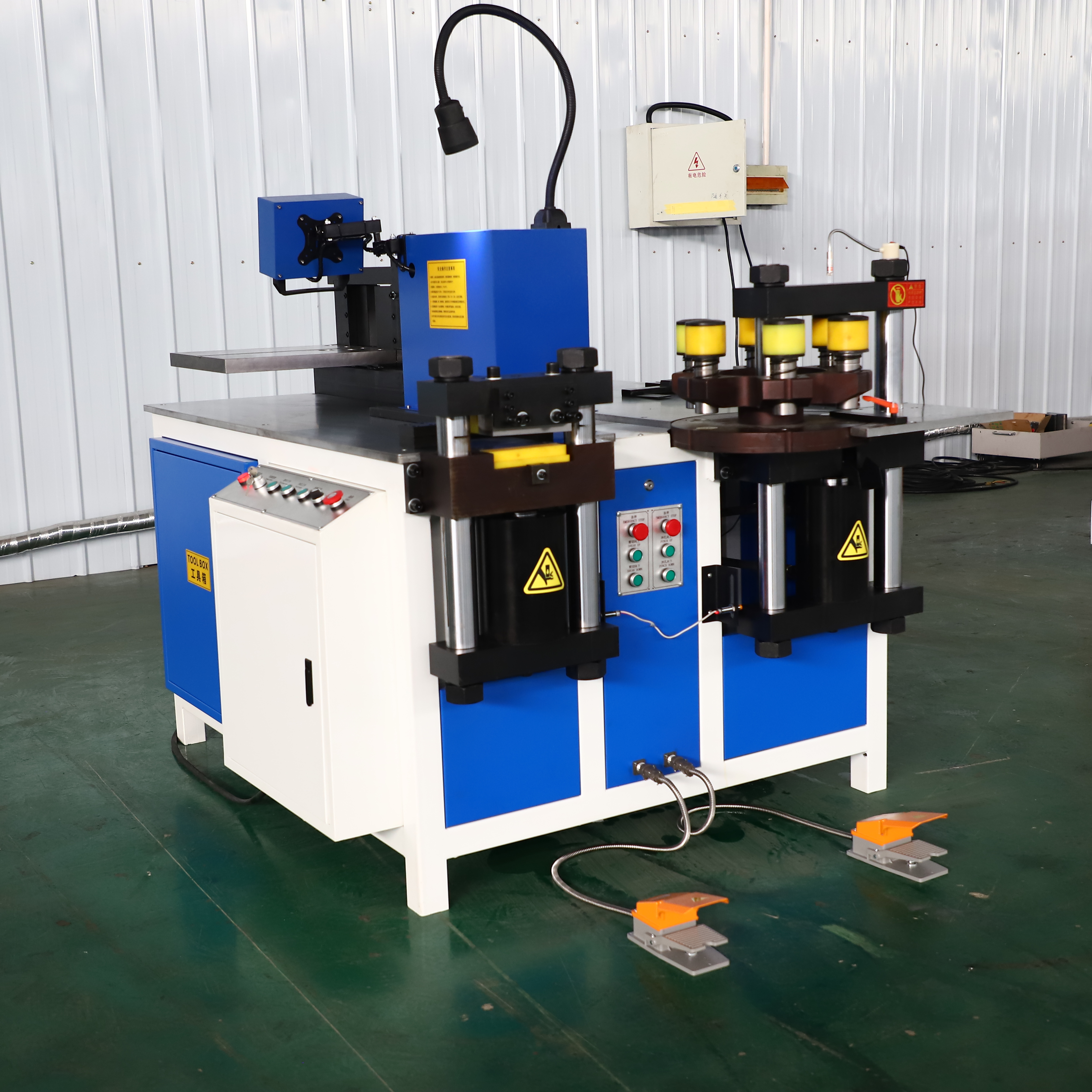
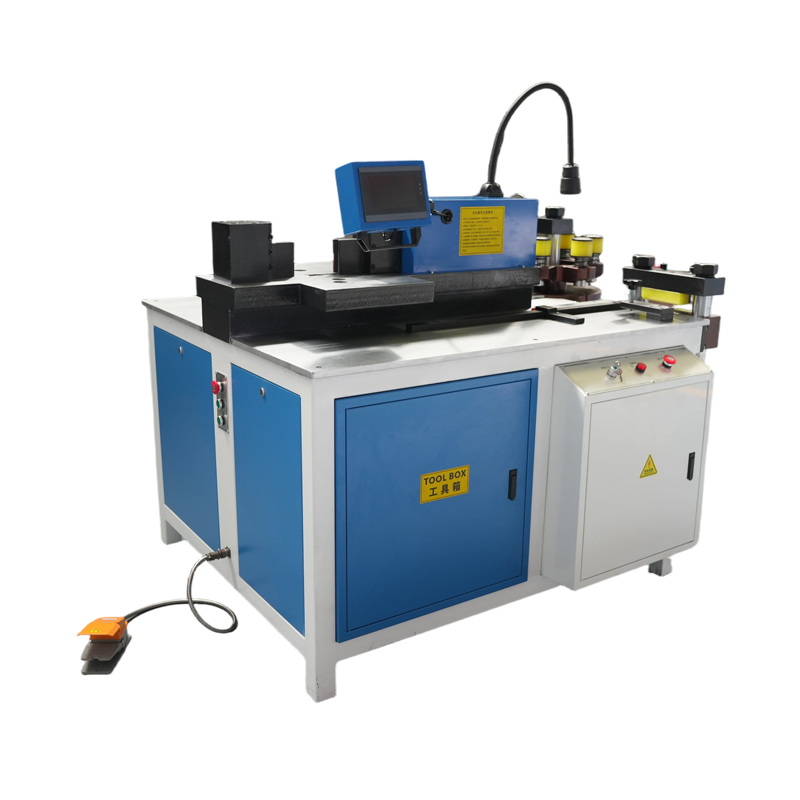
A CNC busbar processing machine is a multifunctional CNC processing machine designed for copper and aluminum busbar processing.
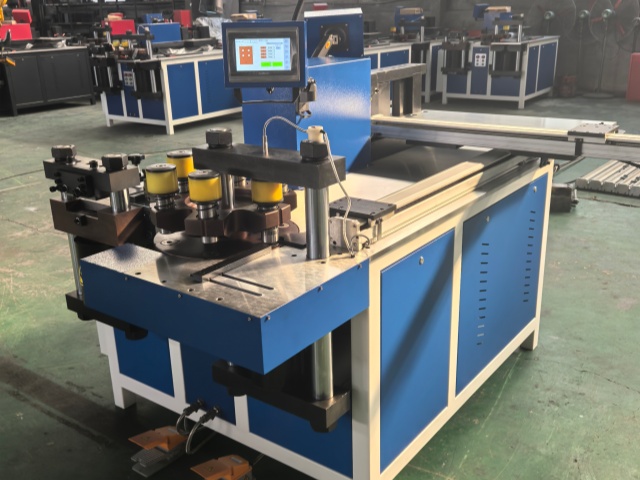
Busbar processing equipment on the market typically integrates three processing units—punching, cutting, and bending—into a single machine, reducing material handling and repeated positioning between different machines. Some highly automated machines further adopt servo positioning and CNC control to enable programmed setting of processing coordinates.
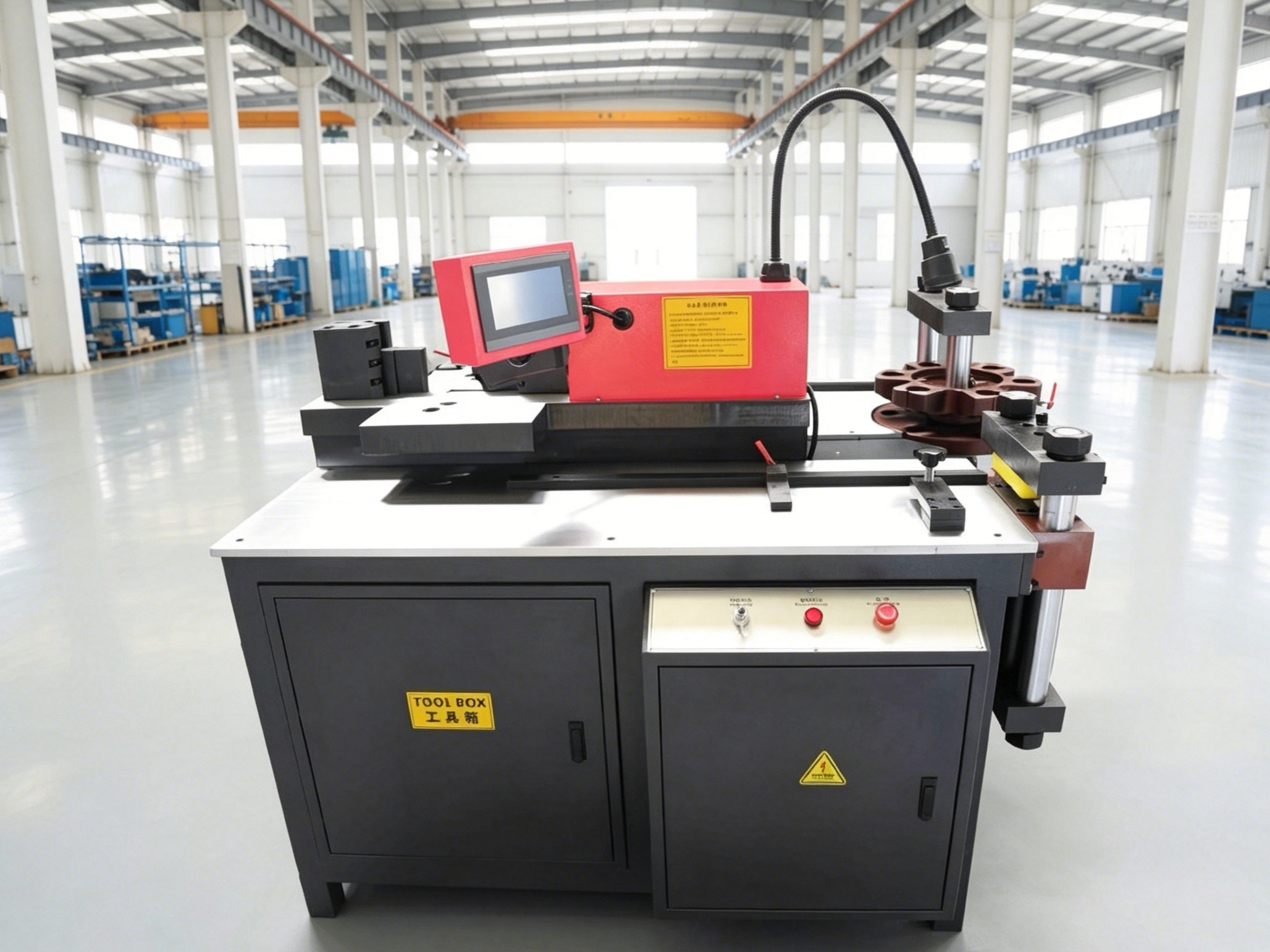
Main Components of a CNC Busbar Processing Machine
A CNC busbar processing machine consists of five main modules: the control system, hydraulic system, processing units, feeding and positioning mechanism, and machine body and dies.
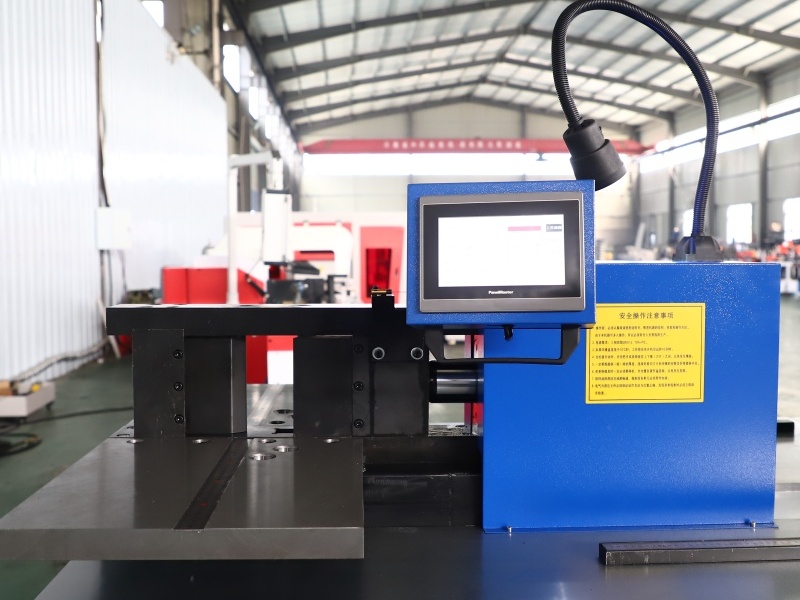
1.CNC Control System: The brain of the entire machine. Mainstream systems use PLC control and are equipped with industrial control systems such as Siemens to ensure stable operation in complex industrial environments. Operators enter parameters such as busbar thickness, width, hole spacing, and bending angle on the touchscreen. The system sends motion commands to each mechanism, coordinating punching, shearing, bending, and positioning operations, allowing the machine to automatically complete processing tasks according to the preset program. The system supports program storage, and some models support CAD drawing import to generate processing programs.
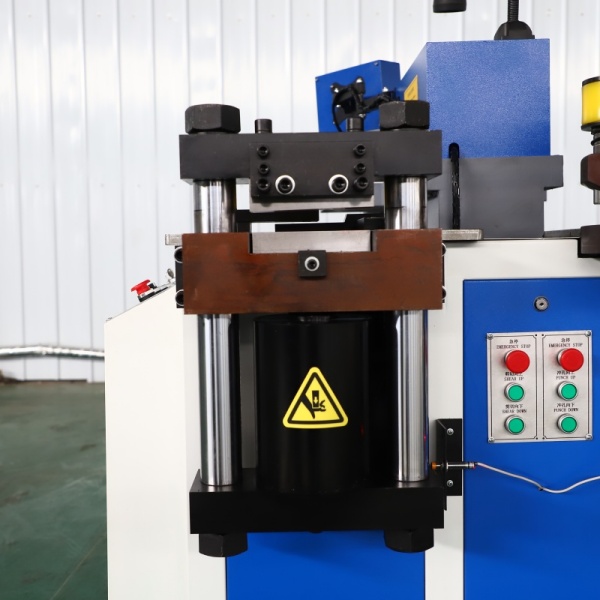
2.Hydraulic System: The hydraulic system provides the processing power for the punching, shearing, and bending stations. Different machine models have different hydraulic system pressures, cylinder specifications, and processing capacities, which directly determine the maximum thickness and width of the busbars that the machine can process. Standard models can meet most conventional power busbar processing requirements. For large-size busbars, thick copper busbars, or high-strength continuous processing requirements, we can also customize a heavy-duty CNC hydraulic busbar processing machine according to the customer's specific processing requirements, with targeted configurations for processing capacity, automation level, and machine structure.
3.Feeding and Positioning System: It is divided into two types: open-loop positioning with a stepper motor and closed-loop positioning with a servo motor. The servo version is equipped with an encoder to collect real-time actual position feedback and automatically correct positioning errors, achieving high-precision feeding and material stop positioning.
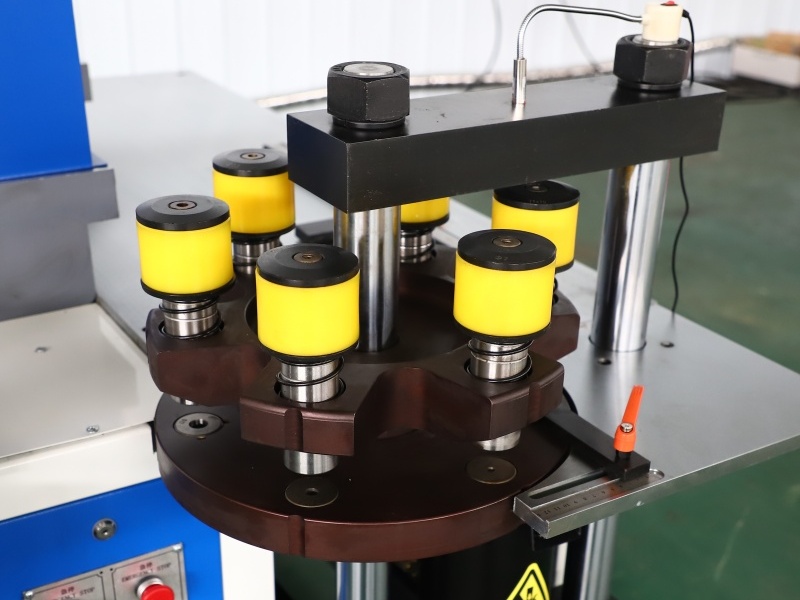
4.Processing Stations: The machine includes punching, shearing, and bending stations. Equipped with molds of different specifications, these stations can perform various busbar forming operations.
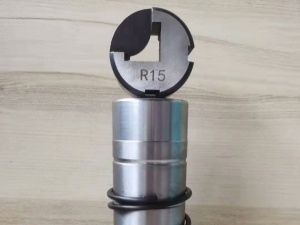
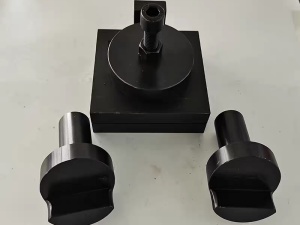
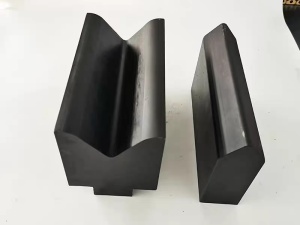
5.Machine Frame and Dies: The welded rigid machine frame withstands the impact generated during punching, shearing, and bending operations. Replaceable dies can be used to accommodate different hole diameters and bending radius requirements.
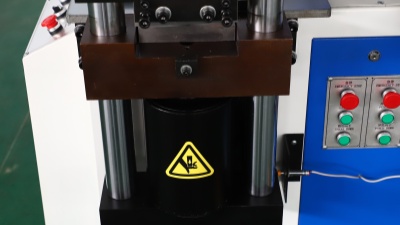
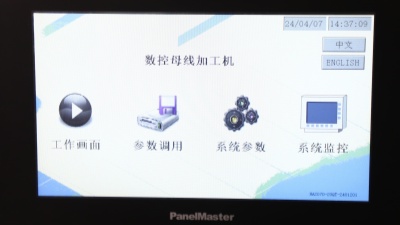
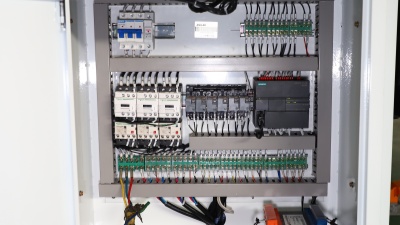
Working Principle of a CNC Busbar Processing Machine
The operator enters the busbar processing parameters through the CNC human-machine interface, and the CNC system calculates and generates the complete processing program. The PLC controls each actuator and drives the feeding mechanism to move to the target coordinates. After positioning is completed, the workpiece is clamped, and the hydraulic system applies pressure to perform the punching, shearing, and bending processes in sequence.
Drawing / Processing Requirements → Parameter Input → CNC Positioning → Busbar Feeding → Punching / Cutting / Bending → Finished Product Inspection
What Are the Functions of a CNC Busbar Processing Machine?
1.Busbar Punching: The machine can use punching dies to process round holes and elongated holes in different sizes. The CNC positioning system can also be used to set multiple processing coordinates for multi-hole punching, making it suitable for bolted connections, mounting and fixing, and electrical connections.
2.Busbar Cutting: It is mainly used to cut full-length copper or aluminum busbars into specified lengths.
3.Depending on different electrical structures, the machine can process L-shaped busbars, U-shaped busbars, Z-shaped busbars, flat bends, edgewise bends, and multi-angle busbars. It can also perform special processes such as embossing, flattening, twisting, and connection-end processing by using specialized busbar dies.
The maximum bending width, thickness, and angle range vary depending on the machine model. You can send your requirements to our engineers, who will provide you with the most suitable solution.
Core Advantages of a CNC Busbar Processing Machine
Compared with traditional manual hydraulic busbar processing machines, CNC busbar processing machines offer significant advantages in processing accuracy, production efficiency, and cost control.
1.CNC and servo positioning control can improve machining position accuracy and consistency across the same batch of products, reducing rework during switchgear cabinet assembly.
2.The machine can store multiple busbar processing programs, allowing operators to directly recall a program when changing products. Some models support CAD import, making the machine suitable for production with multiple specifications and frequent product changeovers.
3.Reduces reliance on skilled technicians. CNC equipment allows processing parameters to be entered directly into the control system. Through digital parameter management, busbar processing can gradually shift from relying on operator experience to standardized production.
4.CNC systems automatically calculate and execute processing operations, reducing the scrap rate and saving costly copper and aluminum busbar materials.
5.Equipped with an industrial control system, the machine is designed to operate in complex workshop conditions and features overload protection, fault alarms, and an emergency stop device to improve operational safety.
6.Different machine models have different hydraulic pressure, cylinder specifications, and processing capabilities. Manufacturers can customize the corresponding configurations and tooling based on the customer’s busbar specifications and processing requirements.
| Item | Ordinary hydraulic busbar machine | CNC busbar processing machine |
| Operation Mode | Manual operation | CNC parameter control |
| Size Positioning | Manual measurement with scale ruler | Automatic positioning |
| Parameter Input | Limited parameters | Supports parameter configuration |
| Repeated Processing | Relies on manual positioning | Programmed positioning |
| Processing Efficiency | Normal | Requires basic training |
| Operation Difficulty | Simple | Multiple positioning, prone to errors |
| Automation Level | Low | High |
| Application Scenarios | General, small-batch production | Mass production, high precision requirements |
What Factors Should You Consider When Choosing the Right Machine Model?
1.Confirm the Actual Processing Capacity
Select the machine model based on the maximum width and thickness of the copper and aluminum busbars frequently processed in your workshop. Different machine models have different hydraulic system pressures and cylinder specifications, resulting in significant differences in processing ranges. Avoid operating the machine at full capacity for extended periods and leave a certain processing margin.
2.Confirm the Positioning Configuration: Three-in-One or Servo CNC
For small-batch production, maintenance work, and standard switchgear cabinet manufacturing, a three-in-one busbar machine can meet the requirements. For large-batch production, export orders, and new energy busbar trunking, a servo CNC busbar processing machine is the preferred choice.
3.Confirm the Processing Requirements
For standard switchgear cabinet production, choose the three-station configuration for punching, shearing, and bending. For busbar trunking production, evaluate whether additional processing stations, such as embossing, chamfering, and corner milling, are required.
4.Tooling and Customization Capabilities
Check whether the manufacturer supports custom tooling for special processing requirements and whether machine configurations can be adjusted according to the customer’s workpieces.
5.After-Sales Service and Spare Parts Supply
Evaluate the manufacturer’s after-sales response and availability of wear parts to ensure reliable long-term machine operation.
FAQ
Q1:How to Maintain a CNC Busbar Processing Machine?
A:Clean copper and aluminum chips promptly during daily operation. Regularly lubricate the guide rails and lead screws, check the hydraulic oil level and piping seals, and replace the hydraulic oil on schedule to help prevent cylinder oil leaks and frame deformation. Regularly tighten mechanical and electrical connections, check machining accuracy, back up system programs, and use properly matched tooling. These maintenance practices can help ensure the long-term, high-precision, and stable operation of the CNC busbar processing machine.
Q2:What Precautions Should Be Taken When Using a CNC Busbar Processing Machine?
A:Do not process busbars beyond the machine’s rated maximum processing capacity, and avoid prolonged operation under overload conditions.
Operating beyond the specified capacity may cause deformation of the hydraulic cylinders and machine frame, which can affect machining accuracy and shorten the overall service life of the machine.
Q3:What Hydraulic Oil Does a CNC Busbar Processing Machine Require?
A:A CNC busbar machine is recommended to use L-HM46 (ISO VG 46) anti-wear hydraulic oil, which offers the best general-purpose performance under normal-temperature operating conditions. For low-temperature environments, No. 32 anti-wear hydraulic oil can be used, while No. 68 anti-wear hydraulic oil is recommended for high-temperature and heavy-load environments.
Q4:Can the Same Machine Parameters Be Used for Processing Copper and Aluminum Busbars?
A:It is not recommended to use the same set of parameters for copper and aluminum busbars. Aluminum busbars have lower hardness, and their bending springback and deformation characteristics differ from those of copper busbars. Directly applying the bending compensation and pressure parameters used for copper busbars may result in angle deviations, workpiece deformation, and scrap.
When processing aluminum busbars, the bending compensation and processing pressure should be adjusted separately. Test a sample first, and proceed with batch production only after confirming that the dimensions meet the requirements.

Related Articles
No content available.