
Three-in-One Busbar Processing Machine: Advantages, Types, and Selection Guide
What Is a 3-in-1 Busbar Processing Machine?
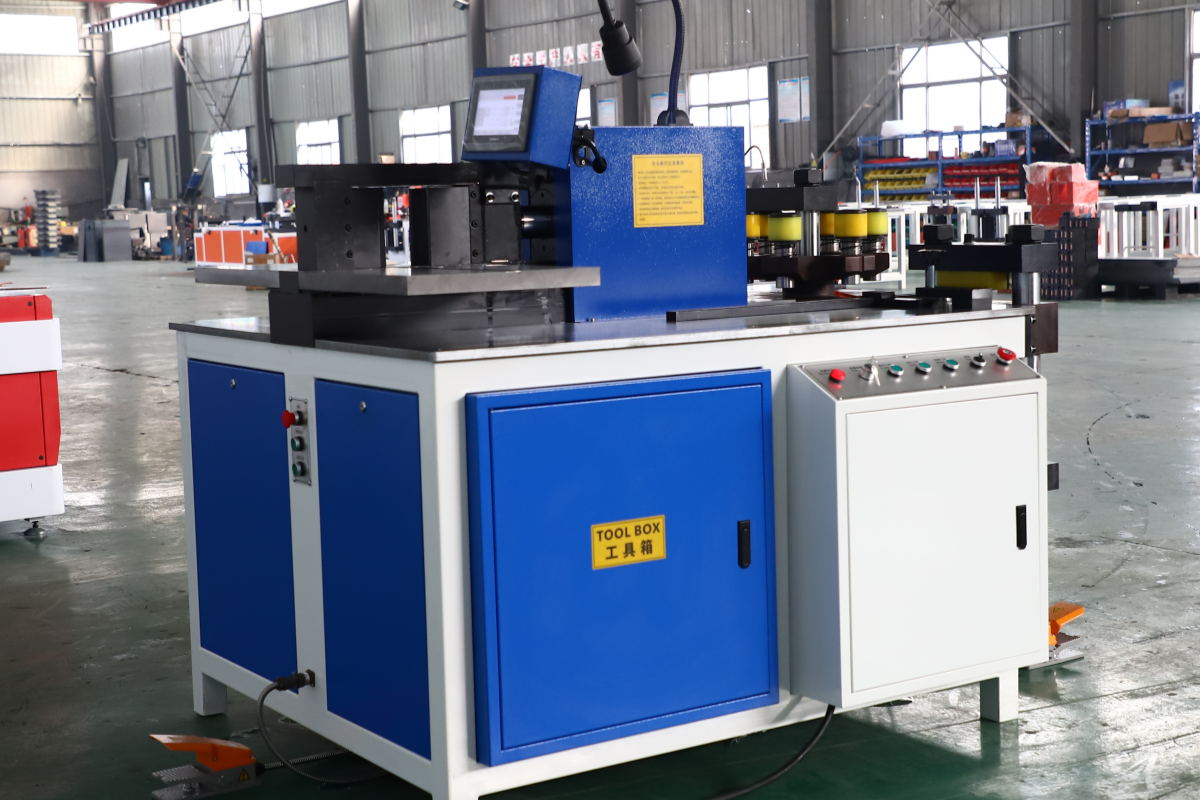
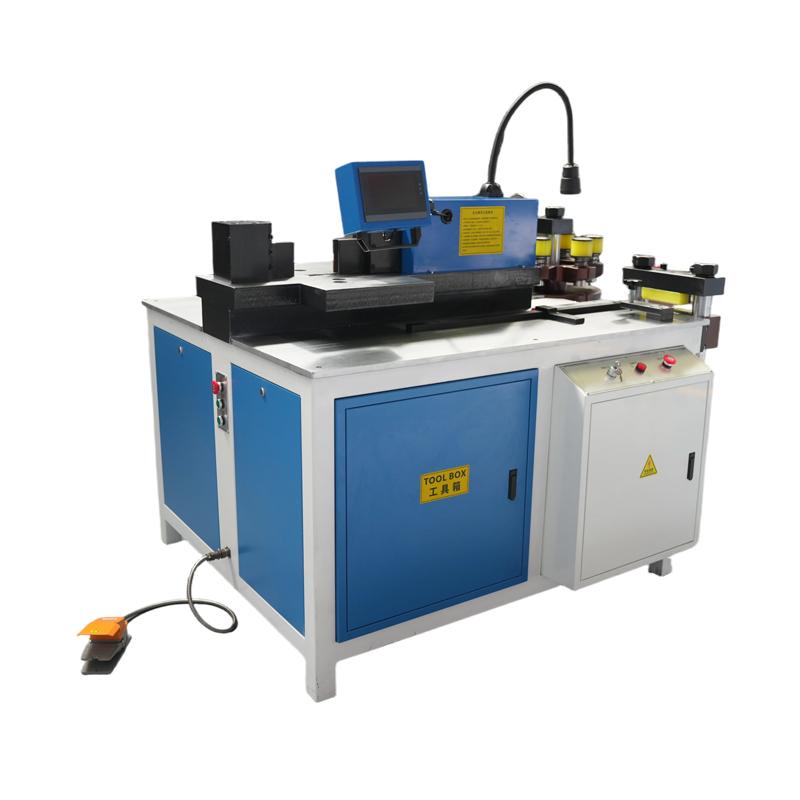
A 3-in-1 busbar processing machine is a multifunctional hydraulic machine designed for processing copper and aluminum busbars. It integrates three independent processing stations—cutting, punching, and bending—into a single machine, combining three processing functions in one unit. The three stations can operate simultaneously or independently, depending on production requirements.
Powered by a hydraulic busbar processing system, the machine can perform various busbar processing operations, including punching, cutting, flat bending, and edgewise bending. Compared with using three separate single-function machines, an integrated 3-in-1 busbar processing machine can save valuable factory floor space, reduce equipment investment, and improve overall busbar processing efficiency.
How Does a 3-in-1 Busbar Processing Machine Work?
A busbar processing machine typically uses a hydraulic power system, with hydraulic cylinders providing the force required for processing and enabling efficient operation of different processing stations. The main processing workflow is: Busbar Material Preparation → Dimension Measurement and Positioning → Punching → Cutting → Bending → Quality Inspection
Three Core Processing Functions
1. Punching Station
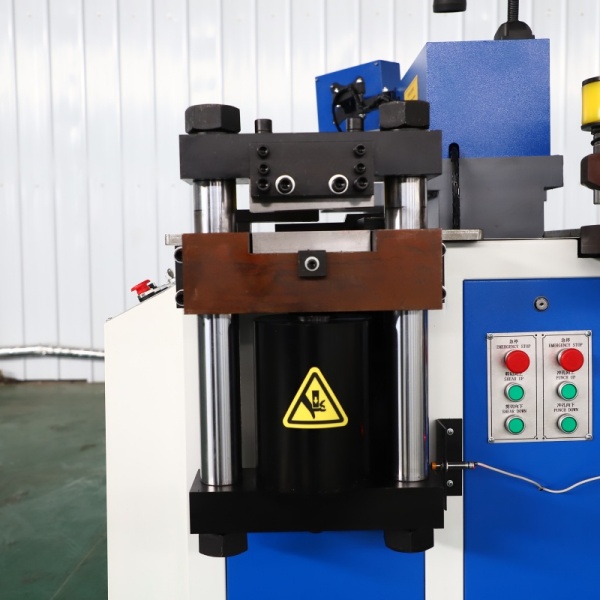
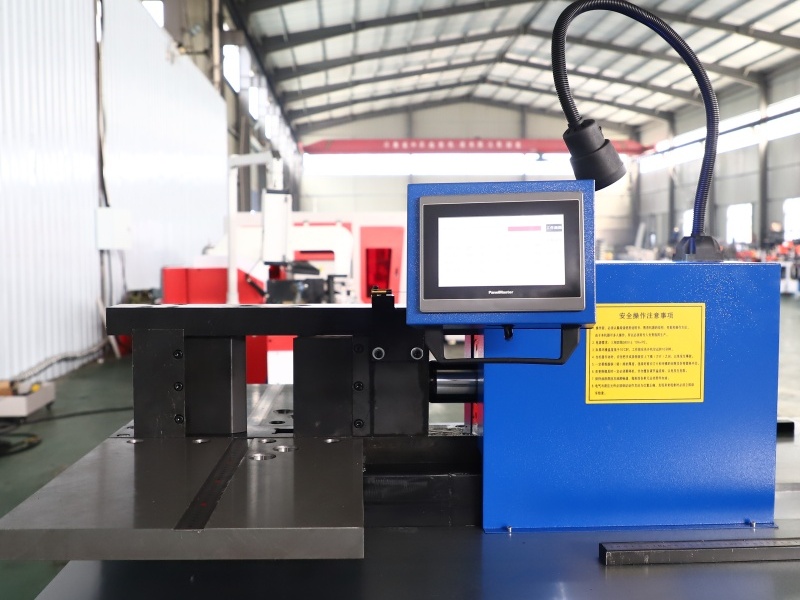
The punching station can process both round holes and elongated holes. The machine comes standard with standard punching dies, while customized dies for special-shaped holes are also available according to the customer's processing drawings. The hydraulic punching system provides sufficient punching force, producing clean and precise hole edges without cracking or deformation of the busbar.
2. Shearing Station
The shearing station is equipped with high-strength alloy blades for cutting copper and aluminum busbars. The cut surfaces are smooth and have minimal burrs, reducing the need for subsequent grinding. The shearing structure is designed for standard flat copper and aluminum busbars, meeting the requirements of conventional electrical busbar processing.
3. Bending Station
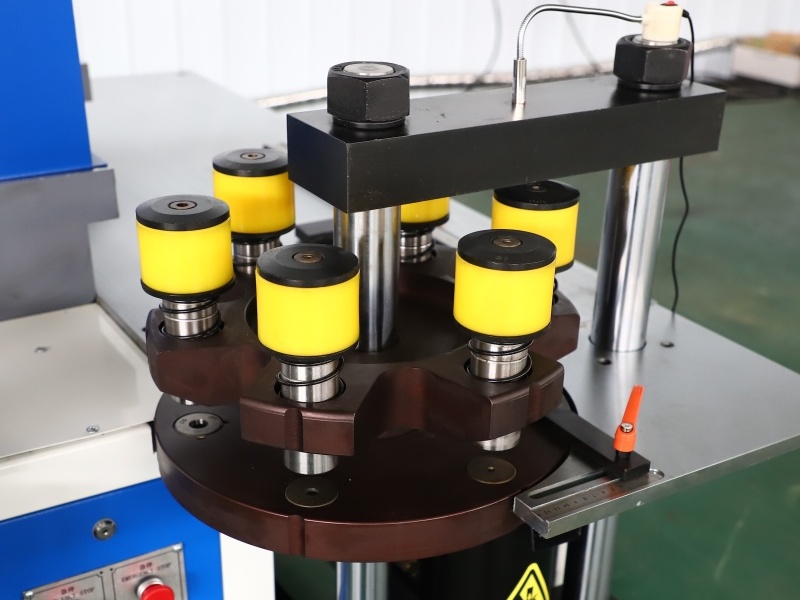
The bending station supports both edgewise and flatwise bending of copper and aluminum busbars. The bending angle can be precisely controlled to ensure consistent finished dimensions, making subsequent switchgear assembly easier. Operators can quickly complete busbar bending operations using the busbar machine foot pedal switch.
Main Advantages of a 3-in-1 Busbar Processing Machine
Advantages of the Three-in-One Busbar Processing Machine
1. Multiple Functions in One Machine, Lower Equipment Investment Traditional processing methods often require multiple machines for different operations. The three-in-one busbar processing machine integrates multiple processing functions into a single machine, reducing equipment investment and improving workshop space utilization.
2. High Processing Efficiency Compared with manual processing, the hydraulic busbar machine provides faster and more efficient operation. The machine is easy to maintain and is well suited for batch busbar production.
3. Stable Processing Accuracy The machine features a precision mechanical structure designed to improve dimensional consistency and processing accuracy of copper and aluminum busbars.
4. Easy to Operate After basic training, operators can quickly learn and operate the machine, helping reduce the learning curve and improve daily production efficiency.
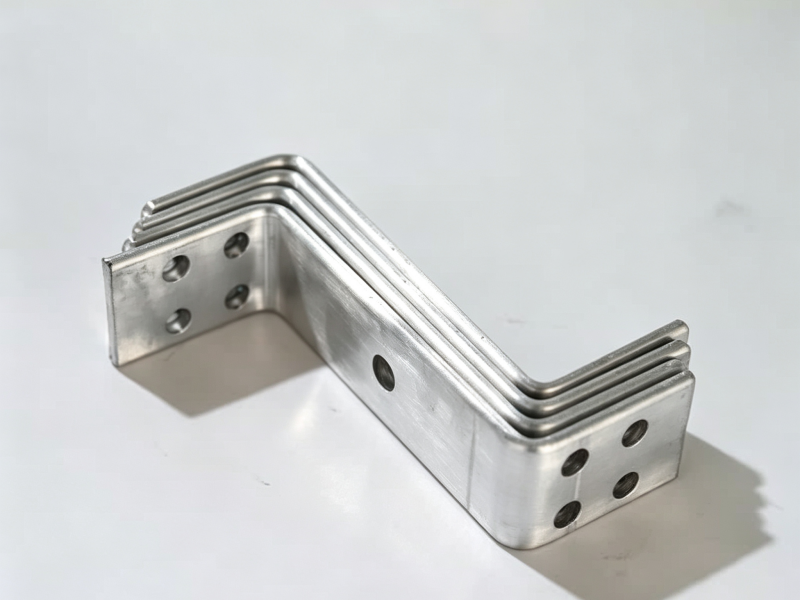
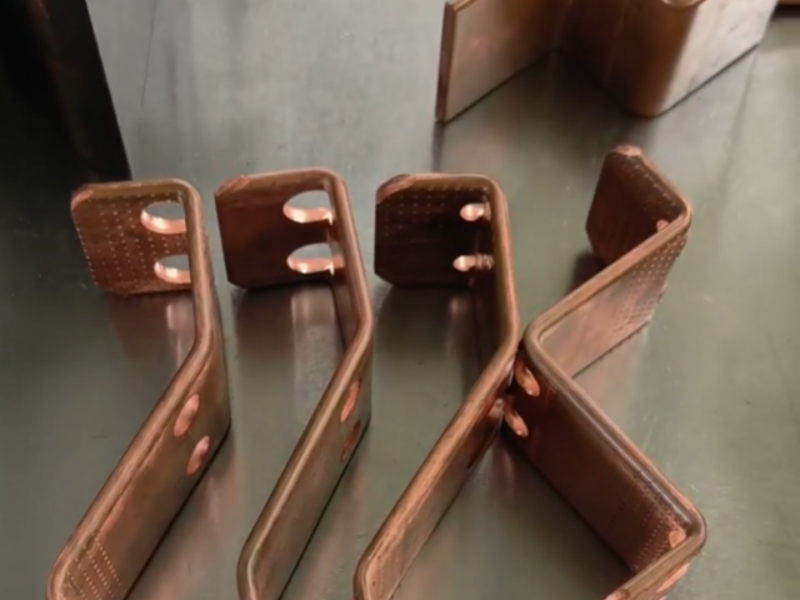
What Materials Can a 3-in-1 Busbar Processing Machine Process?
Copper Busbar Processing
Copper busbars are commonly used as conductive components in distribution cabinets, switchgear, and various types of electrical equipment. Depending on the machine's processing capacity, a 3-in-1 busbar processing machine can perform punching, cutting, and bending operations on copper busbars of different specifications.
Aluminum Busbar Processing
Aluminum busbars are characterized by their relatively light weight and are also widely used in various power and electrical distribution equipment.By selecting a busbar processing machine with suitable specifications and processing capacity, aluminum busbars can be processed through punching, cutting, and bending operations.
Main Types of 3-in-1 Busbar Processing Machines Available on the Market
Open-Frame 3-in-1 Busbar Processing Machine
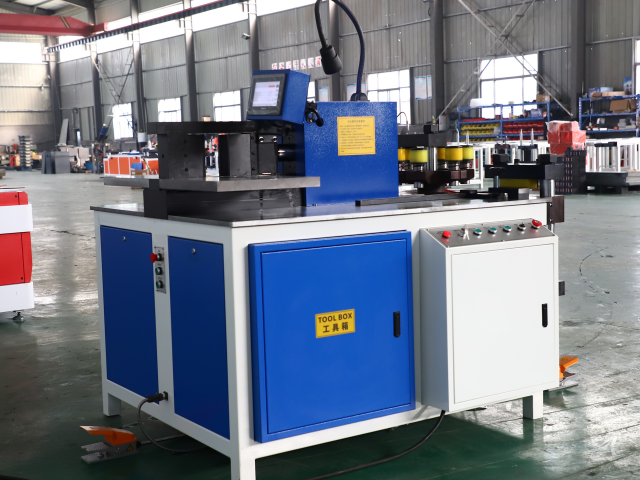
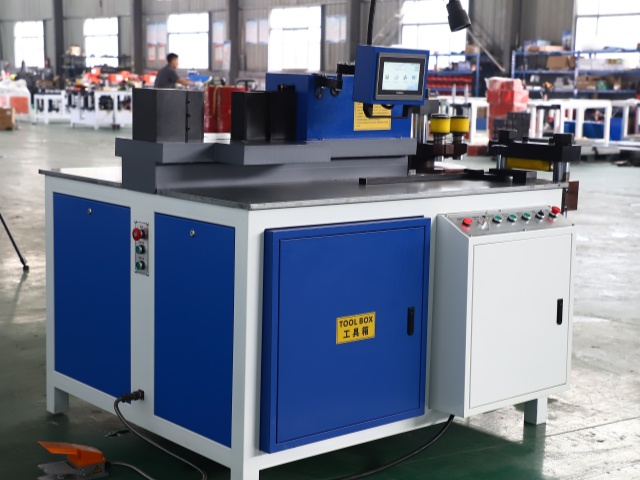
An open-frame 3-in-1 busbar processing machine features an open-frame structure without an enclosed upper supporting frame. The three processing stations—cutting, punching, and bending—are independently arranged, providing an open and spacious operating area.Advantages: The open working space makes it easier to handle and position long copper and aluminum busbars. Its relatively simple structure also makes busbar die replacement and routine maintenance more convenient.
Closed-Frame 3-in-1 Busbar Processing Machine
A closed-frame 3-in-1 busbar processing machine features an integrated enclosed frame structure that provides a stable load-bearing framework for the entire machine. The forces generated during hydraulic processing are distributed throughout the machine structure. With high structural rigidity, the closed-frame design offers strong resistance to deformation during long-term continuous operation. It helps maintain stable busbar machining accuracy and good dimensional consistency in bending and punching operations. The machine may also operate with reduced vibration, helping support the service life of hydraulic components and busbar dies.
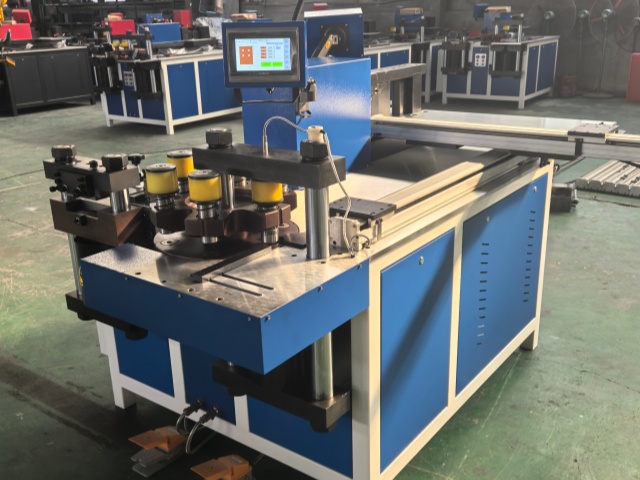
CNC Servo Positioning Susbar Machine
A servo busbar processing machine uses a servo motor-driven automatic positioning system combined with ball screw and bearing transmission to achieve fast and precise positioning of busbars. Compared with traditional manual measuring and positioning, the servo system helps improve processing efficiency, positioning accuracy, and consistency while reducing errors caused by repeated measurements. It is suitable for punching, cutting, and bending copper and aluminum busbars used in switchgear, electrical panels, and power distribution equipment manufacturing.
How to Choose the Right Busbar Processing Machine Model
When choosing a busbar processing machine, price should not be the only factor to consider. The right model should be selected based on the material specifications, production volume, processing requirements, automation needs, and industry application.
Different busbar processing machine models are designed for different production requirements. Choosing the right machine can help improve processing efficiency, increase production consistency, and reduce overall production costs.
1. Consider the Maximum Processing Capacity
The model of a busbar processing machine is usually determined by its maximum processing width, material thickness, and processing capacity or hydraulic force.Before purchasing a machine, it is important to confirm the specifications of the copper and aluminum busbars commonly used in your production, including their width and thickness.
2. Confirm the Processing Materials
Different materials may require different processing capabilities and tooling. Before selecting a machine, you should clearly identify the materials to be processed, such as copper busbars, aluminum busbars, or special alloy materials.The material type, thickness, and hardness can all affect the required processing force and machine configuration.
3. Consider Future Automation Requirements
If your company plans to increase production capacity in the future, it is worth considering busbar processing CNC upgrades when selecting a machine. Important features may include:
• CNC positioning • Automatic feeding
• Servo-controlled positioning
• Digital production management
• Programmable processing parameters These functions can help improve production efficiency and reduce manual operations.
4. Choose a Professional Busbar Processing Machine Manufacturer
A professional manufacturer can provide more than just equipment. An experienced busbar processing machine supplier can recommend a suitable model based on factors such as:
• Busbar dimensions
• Material type
• Product requirements
• Production quantity
• Processing methods
• Automation requirements
By selecting the right busbar processing machine according to your actual production needs, you can achieve higher efficiency, better processing consistency, and a more cost-effective production solution.
Besides 3-in-1 busbar machines, we also supply CNC busbar processing machines, busbar bending machines, busbar punching & shearing machines, busbar arc machining centers, double-head busbar bending machines and other equipment to meet requirements of different processing technologies and production scales.

Related Articles
303 Multifunctional Busbar Processing Machine
Fenghua CNC multifunctional busbar proce
MX-803BSSK Hydraulic Busbar Processing Machine
Heavy-duty hydraulic busbar processing m
MX-503BSSK Copper Busbar Processing Machine
Fenghua CNC copper busbar processing mac
Automatic Busbar Punching and Shearing Machine Working Video | Complete Busbar Processing Line
Automatic Busbar Punching and Shearing M
Automatic Busbar Punching and Shearing Machine Working Video | Complete Busbar Processing Line
Automatic Busbar Punching and Shearing M
Automatic Busbar Punching and Shearing Machine Working Video | Complete Busbar Processing Line
Automatic Busbar Punching and Shearing M